Cocos Island National Park: Costa Rica’s Largest National Park Is a Marine Park
By: Jenny Asch Corrales
Regional Director of the Coco Marine Conservation Area
When we think of national parks, we usually picture beaches, forests, volcanoes, or hiking trails. Yet Costa Rica’s largest national park lies in the Pacific Ocean: it is Cocos Island National Park. This national park reminds us of our country’s natural identity and biological wealth, much of which lies beneath the surface of our exclusive economic zone.
Cocos Island National Park is located more than 500 kilometers off Costa Rica’s Pacific coast. It is an internationally recognized ecological treasure, prized for its extraordinary biodiversity and excellent state of conservation. The island itself has just 24 km² of land area, while its marine area grew, in 2021, from 2,034 km² to 54,844 km² — an expanse that even exceeds Costa Rica’s mainland territory, making it the country’s largest protected wilderness area.
The expansion reflected the country’s strategic vision to conserve marine ecosystems over the long term, aiming to improve connectivity for migratory species in the Eastern Tropical Pacific. More than simply redrawing lines on a map, the measure sought to safeguard the health of one of the planet’s most important marine sanctuaries for future generations.
Its importance goes beyond the national level: the National Park is part of the Eastern Tropical Pacific Marine Corridor (CMAR), an ecological network connecting marine ecosystems in Costa Rica, Panama, Colombia, and Ecuador, where migratory species such as hammerhead sharks, manta rays, sea turtles, and various cetacean species travel — species that are essential to the balance of the oceans.
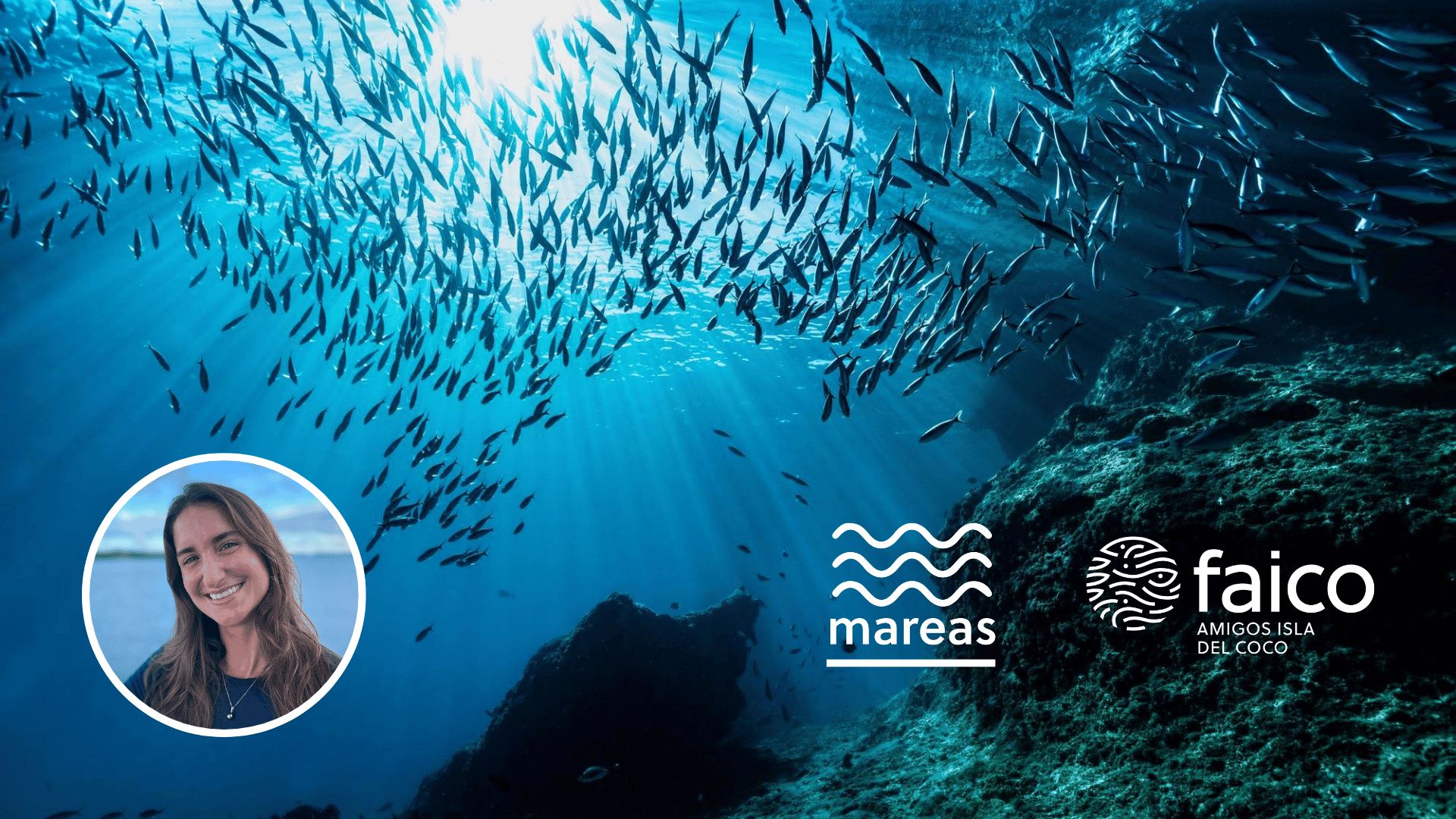
In its waters we find one of the largest concentrations of sharks on the planet and an exceptionally high marine biomass. More than 2,600 species of flora and fauna have been recorded there, of which over 1,600 are marine. These features have turned Cocos Island into a natural laboratory of incalculable scientific value and one of the world’s most renowned diving destinations, thanks to the convergence of ocean currents and underwater seamounts.
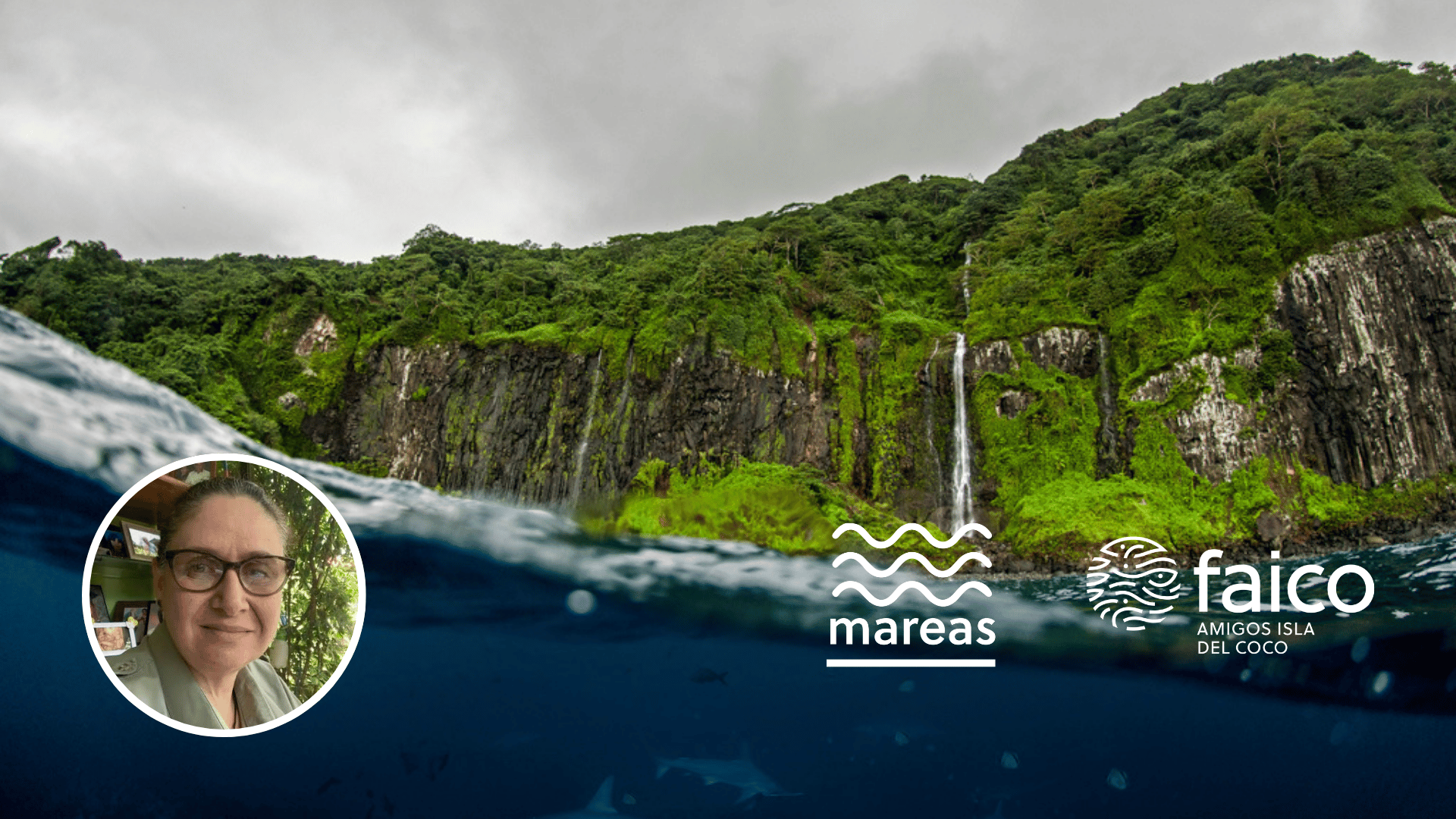
The island holds tremendous value. Its geographic location and constant rainfall support a tropical oceanic rainforest, considered one of the rainiest and best-preserved forests in the Eastern Tropical Pacific, at an elevation of just 400 meters above sea level. Its waterfalls and cliffs also allow for a high diversity of endemic species, making it a true natural laboratory for conservation and scientific research.
Cocos Island National Park is an opportunity to show the world that environmental protection is neither a luxury nor mere rhetoric: a healthy ocean sustains fisheries, regulates climate, captures carbon, and maintains ecological processes essential to life.
Costa Rica’s largest national park reminds us of a fundamental truth: our country also lies beneath the sea.