A New Deep-Sea Coral in Costa Rica Receives a Name Inspired by Tolkien’s Elvish
-
A study by the University of Costa Rica, the Smithsonian, and the Schmidt Ocean Institute describes a new species, genus, and family of coral in the waters of Isla del Coco, with nomenclature based on Quenya, the Elvish language created by J.R.R. Tolkien.
-
The research, published in the scientific journal ZooKeys and carried out with support from the National Geographic Society, documents the discovery of a deep-sea coral off Isla del Coco that expands the taxonomic tree of octocorals.
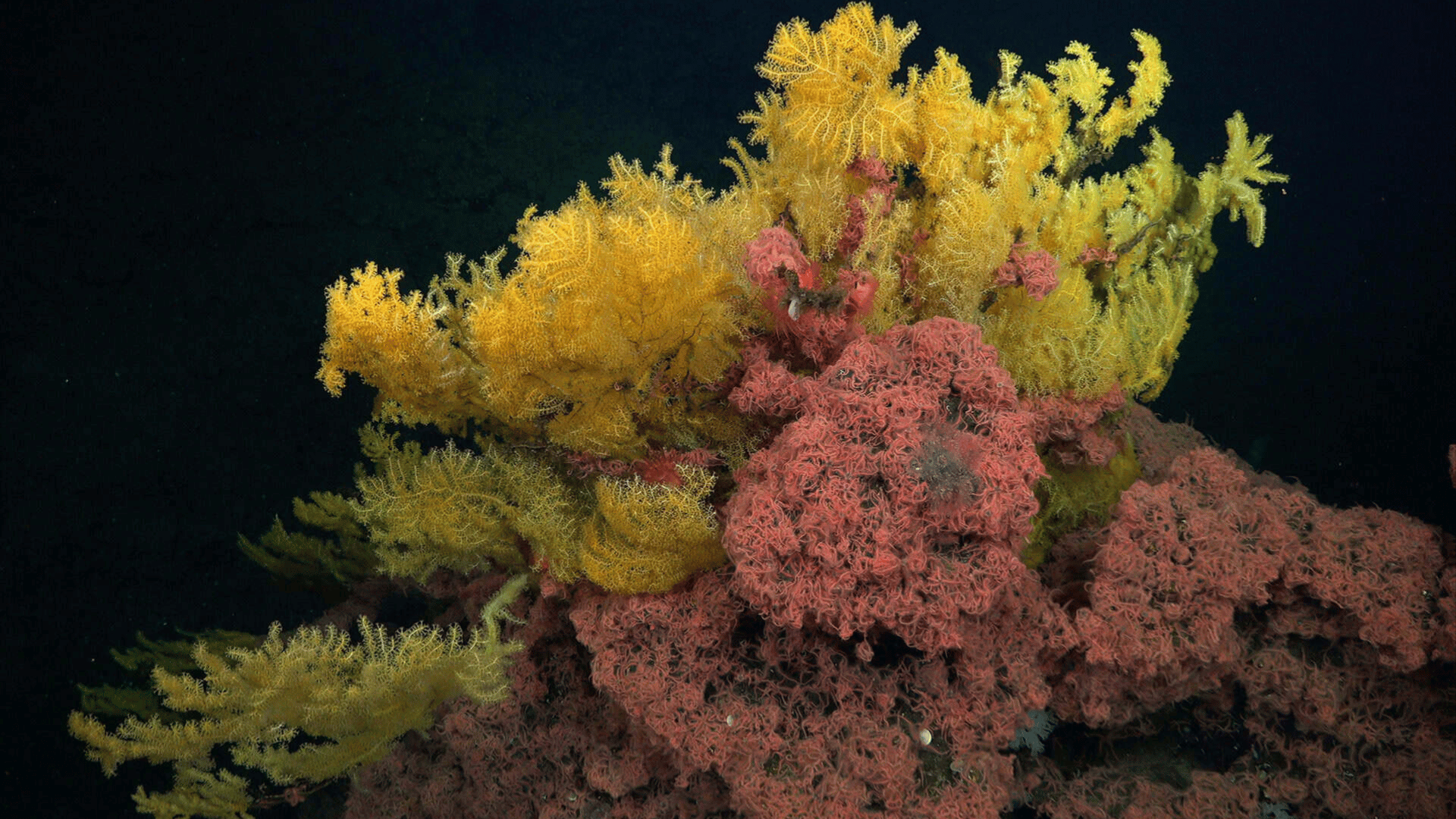
On the seamounts surrounding Isla del Coco, more than 350 meters deep, a team of researchers identified an organism whose characteristics did not match any known classification in marine biology. It is a golden, tree-shaped coral that grows on rocky slopes almost entirely colonized by brittle stars. The uniqueness of its morphological and genetic traits led the researchers to establish not only a new species, but also a new genus and a new taxonomic family, an event considered exceptional in the discipline.
The species was named Laurinquë elenya, a name that reflects a deliberate choice by the scientific team. The research was led by Odalisca Breedy, an octocoral specialist at the University of Costa Rica, in collaboration with Smithsonian researchers, who chose to draw on Quenya, the Elvish language developed by J.R.R. Tolkien, for the nomenclature. The term laurinquë means “golden tree,” alluding to the coral’s characteristic coloration and branching, while elenya, meaning “starry,” refers to the setting of sea stars in which it was found.
The identification process presented significant technical challenges. The samples were collected during two expeditions, in 2019 and 2023, using the robotic underwater vehicle SuBastian, operated from the research vessels Falkor and Falkor (too) of the Schmidt Ocean Institute, with additional support from the National Geographic Society. Determining its position in the evolutionary tree required even more effort than finding it in the field: the initial analysis of three different genes produced contradictory results, each linking the organism to a different coral family. A larger-scale genetic analysis, incorporating hundreds of genes simultaneously, was needed to confirm that the species does not fit any previously described family, with the family Eunicellidae being its closest identified relative.
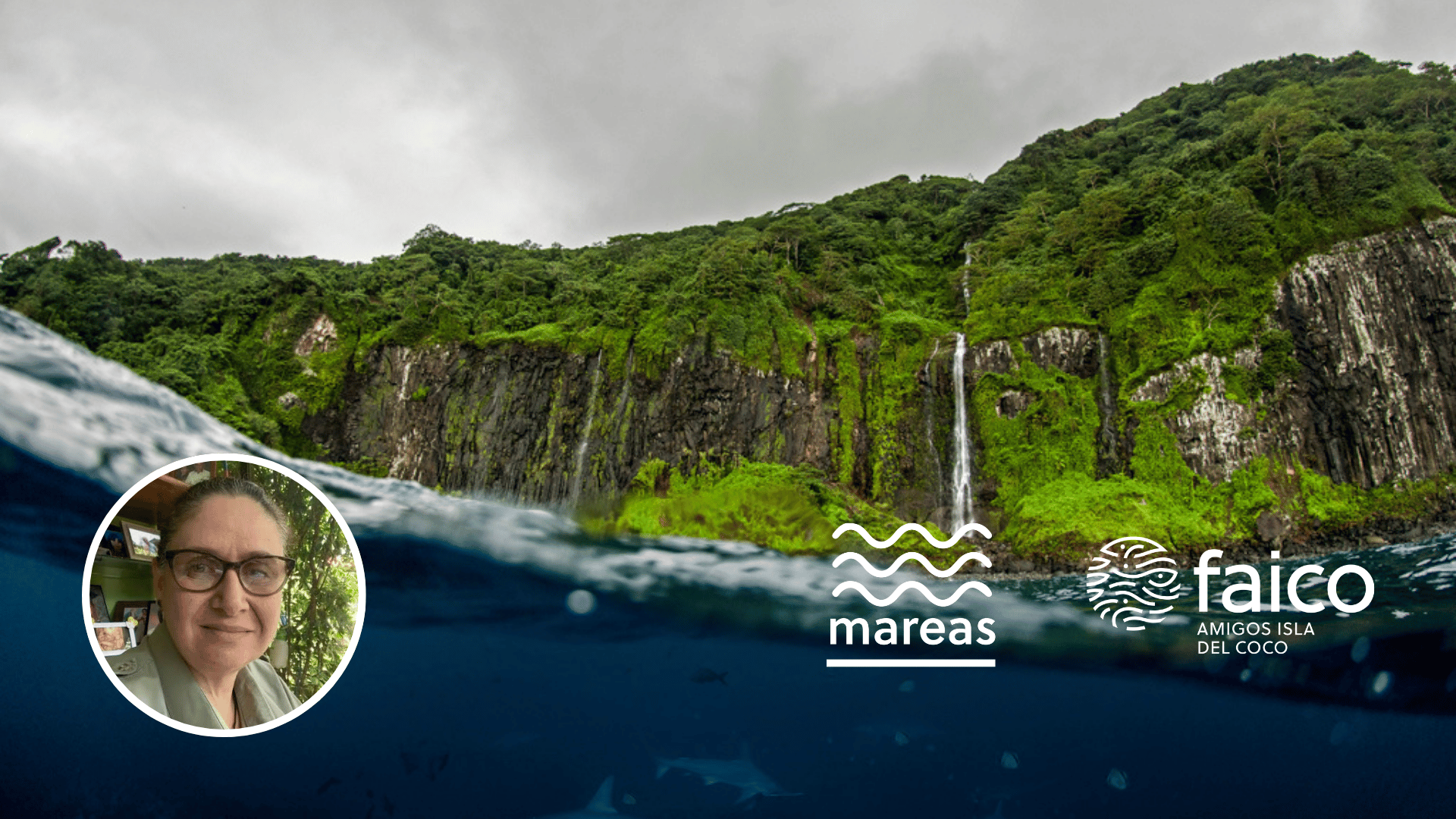
Beyond its scientific relevance, the discovery is significant for marine conservation efforts. Isla del Coco, declared a UNESCO World Heritage Site, has a protected area that was considerably expanded in 2021. Deep-sea coral gardens like the one that hosts this new species are fundamental ecological structures that provide habitat for a wide diversity of marine species. However, they are highly vulnerable ecosystems: contact with bottom fishing gear can cause virtually irreversible damage, since their recovery can take decades.
This finding adds to a recent series of discoveries that show the still-unexplored biological potential of Costa Rica’s marine and terrestrial ecosystems, among them a deep-sea ghost shark, a marine worm with jaguar-like spots, a frog associated with the coffee plantations of the Los Santos Zone, and a new tree recorded in the mountains of Guanacaste. These cases confirm that a considerable part of the country’s biodiversity remains undocumented, particularly in the depths of the ocean.