CMAR countries build a regional action plan for sustainable marine tourism in Bogotá
-
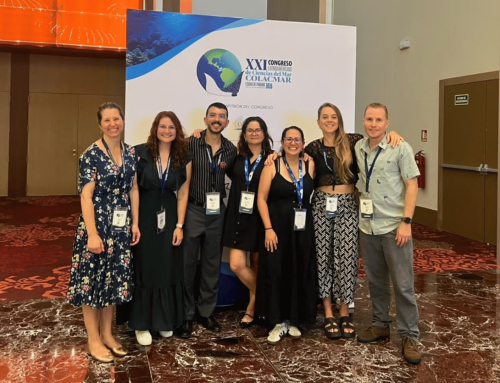
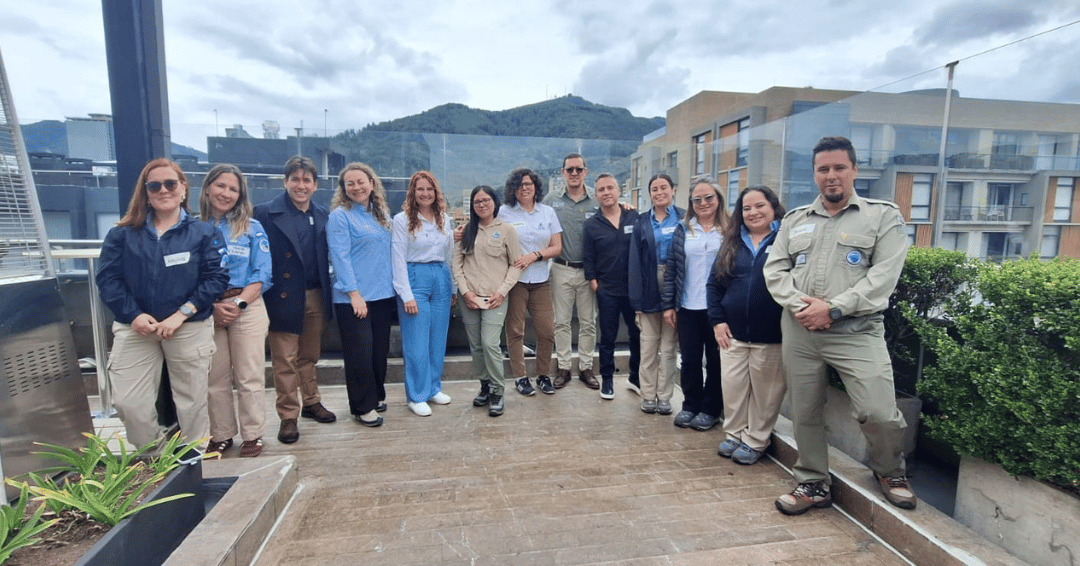
Representatives from Costa Rica, Panama, Colombia, and Ecuador met in Bogotá, Colombia, to build the first work plan of the CMAR Tourism Working Group and a regional assessment of tourism use limits in marine protected areas.
-
Over three days, delegations from the region shared experiences and defined a common roadmap for managing tourism in the marine protected areas of the Eastern Tropical Pacific Marine Corridor.
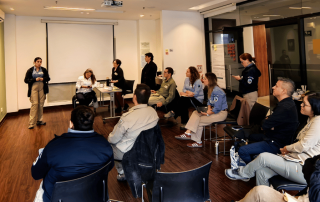
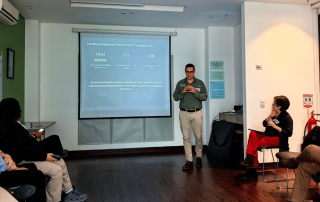
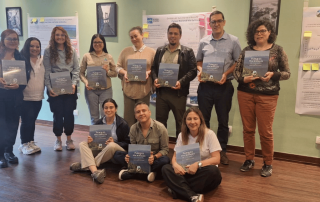
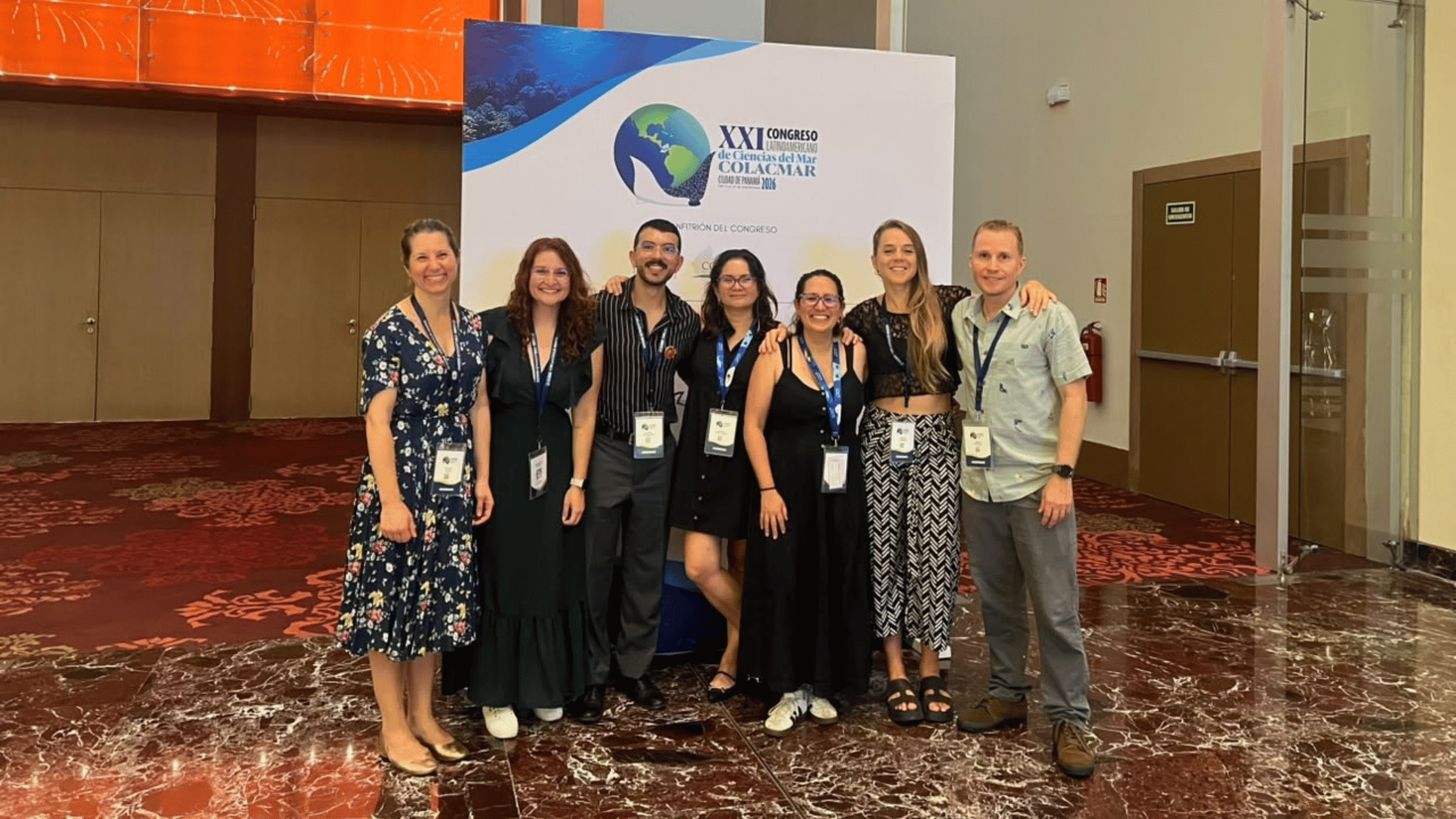
From November 4 to 6, Bogotá, Colombia, hosted the workshop “Strengthening Sustainable Tourism Management and Building a Regional Agenda for CMAR Marine Protected Areas.” The workshop brought together representatives from the member countries of the Eastern Tropical Pacific Marine Corridor (CMAR) to strengthen coordination on sustainable tourism. Participants from Costa Rica, Panama, Colombia, and Ecuador jointly developed the Action Plan of the CMAR Tourism Working Group and produced a regional assessment of how tourism carrying capacity is addressed in marine protected areas (MPAs).
Over the three days, the delegations compared the approaches and methodologies each country uses to manage tourism in its marine protected areas. They identified similarities, differences, progress, gaps, and shared needs. They also exchanged experiences and good practices in tourism planning and management, and explored opportunities for regional cooperation, such as joint initiatives, knowledge exchange, capacity building, and the development of technical tools.
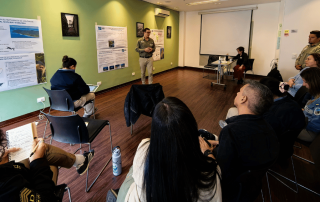
The main outcomes of the workshop were a regional assessment on the management of tourism use limits in CMAR MPAs and a first work plan for the Tourism Working Group, which sets out strategic lines, priority actions, those responsible, and possible mechanisms for regional cooperation. In addition, participants agreed on communication and follow-up mechanisms to ensure continuity of the commitments made and keep the Working Group connected.
Tourism in marine protected areas must balance enjoyment and economic benefit with the conservation of ecosystems. Having a shared assessment and a common roadmap allows CMAR countries to move forward in a coordinated way and learn from one another.
The workshop was made possible thanks to funding from the partnership between the Friends of Cocos Island Foundation (FAICO), the Charles Darwin Foundation (CDF), and Automercado, as well as funds from the Spanish Agency for International Development Cooperation (AECID), administered by Fundación Pacífico.