Mareas: Unknown Costa Rica
Por: Beatriz Naranjo
Costa Rica Desconocida and the Deep Ocean Alliance in the Eastern Tropical Pacific
Originally published in the media outlet Delfino.cr, in collaboration with Amigos Isla del Coco (Faico). See all columns.
Reality is always broader and deeper than we imagine. For those of us who dedicate our lives to studying the ocean, this idea resonates even more strongly. Ninety-two percent of Costa Rica’s territory is ocean, and much of that ocean is deep, dark, cold, remote, and still largely unexplored.
Beneath the surface lies an immense landscape of underwater hills, ridges, and seamounts, along with plains that stretch for thousands of kilometers. These are ecosystems that very few Costa Ricans have had the opportunity to see—or even to imagine.
We call this overlooked dimension of the country Unknown Costa Rica. It is not only a scientific project, but also a cultural and social effort that seeks to remind us that our national identity is also tied to the deep ocean.
For a long time, this deep world has remained outside public conversation. However, it is gradually becoming more visible. Through talks, forums, art exhibitions, photography, murals, and social media, our initiative seeks to bring this invisible ocean closer to everyday life. After all, it is difficult to protect what we do not even know exists.
Recent scientific exploration has begun to reveal the richness of these underwater landscapes. Expeditions in places such as Cocos Island, as well as in regions that until a few years ago did not even have names—such as the Submarine Pampa, a territory located about 200 kilometers off Guanacaste and 3,000 meters deep—have made it possible to observe new forms of life and uncover remarkable geological stories.
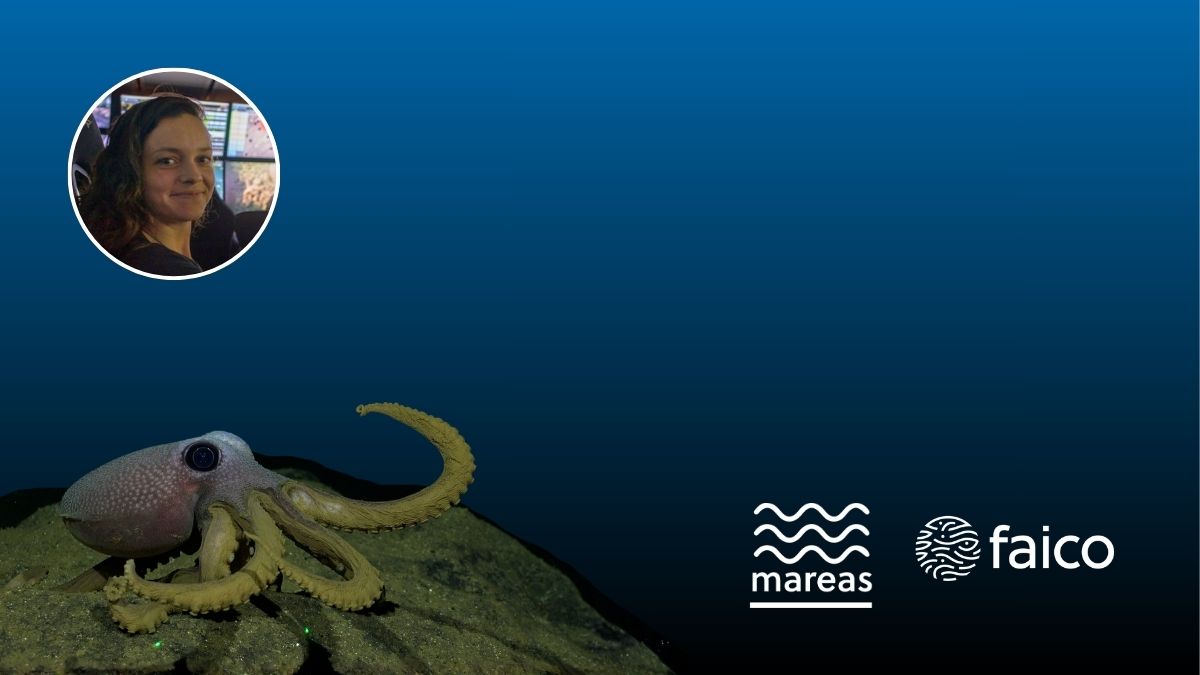
Perhaps one of the most symbolic gestures has been naming some of these places using words from local Spanish and Indigenous languages. In this way, these remote spaces begin to establish a direct connection with our culture and history. Who would have thought that, three kilometers below the surface, we would also find a Pulpería? That is what we named a site where octopuses gather to do something extraordinary: use it as a nursery, incubating their eggs for years. Such unique places are known only in five locations worldwide—and Costa Rica is fortunate to host two of them in its waters.
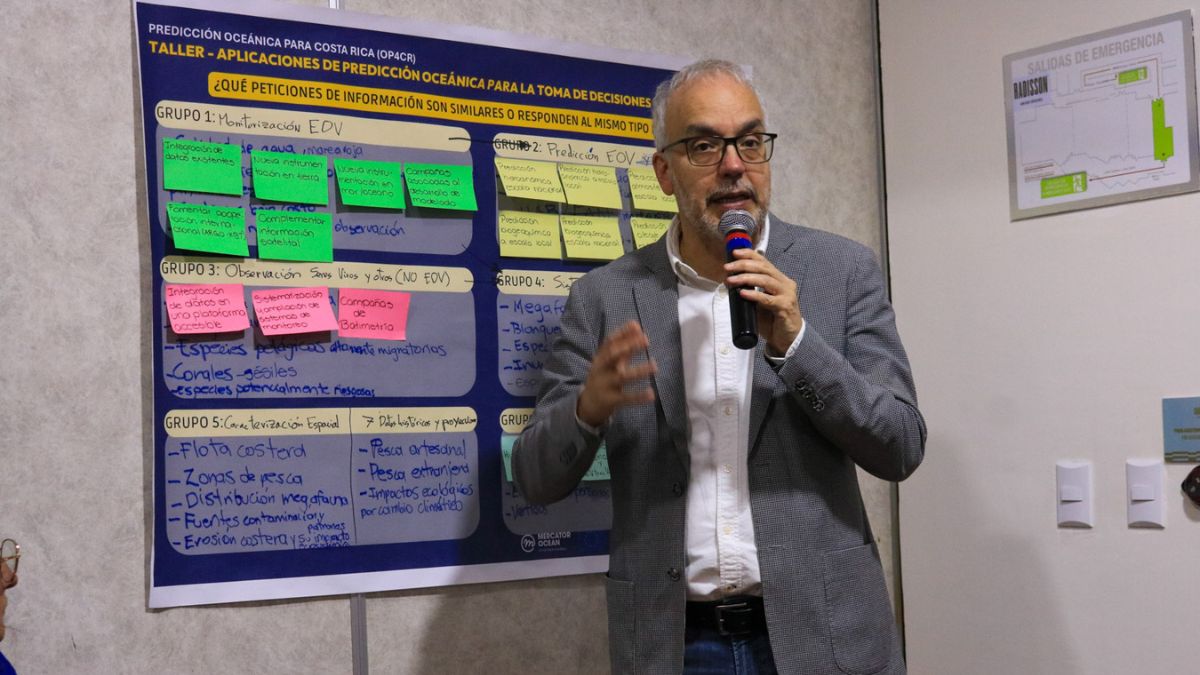
Knowledge about the deep ocean is beginning to gain ground in universities, institutions, and spaces for discussion about the country’s future. Increasingly, scientists, students, and decision-makers recognize that studying our seas is key to better managing natural resources, strengthening national research, and planning the future of our marine territory.
But beyond the data and maps, the question is simple: how do we change the way we see our country? Perhaps by recognizing that Costa Rica does not end at the horizon line—that beneath that seemingly uniform blue lies another territory, far more vast and full of life, deserving of our attention because much of our well-being depends on it.
Unknown Costa Rica is not as far away as we might think. It lies right in front of us, extending into the depths. Getting to know it is also a way of getting to know ourselves better as a country—and of deciding what kind of relationship we want to have with this immense territory that, although invisible to many, also belongs to us.
For more information about Unknown Costa Rica, visit its website and social media channels.