-
Key stakeholders from the marine sector came together to identify strategic applications of ocean prediction to strengthen decision-making in conservation, fisheries, and coastal management in Costa Rica.
-
The first workshop of the Ocean Prediction for Costa Rica project (OP4CR) marks the beginning of a national roadmap to develop ocean prediction services aligned with the country’s needs and marine challenges.
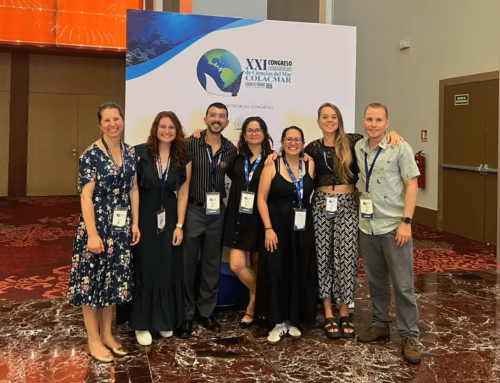
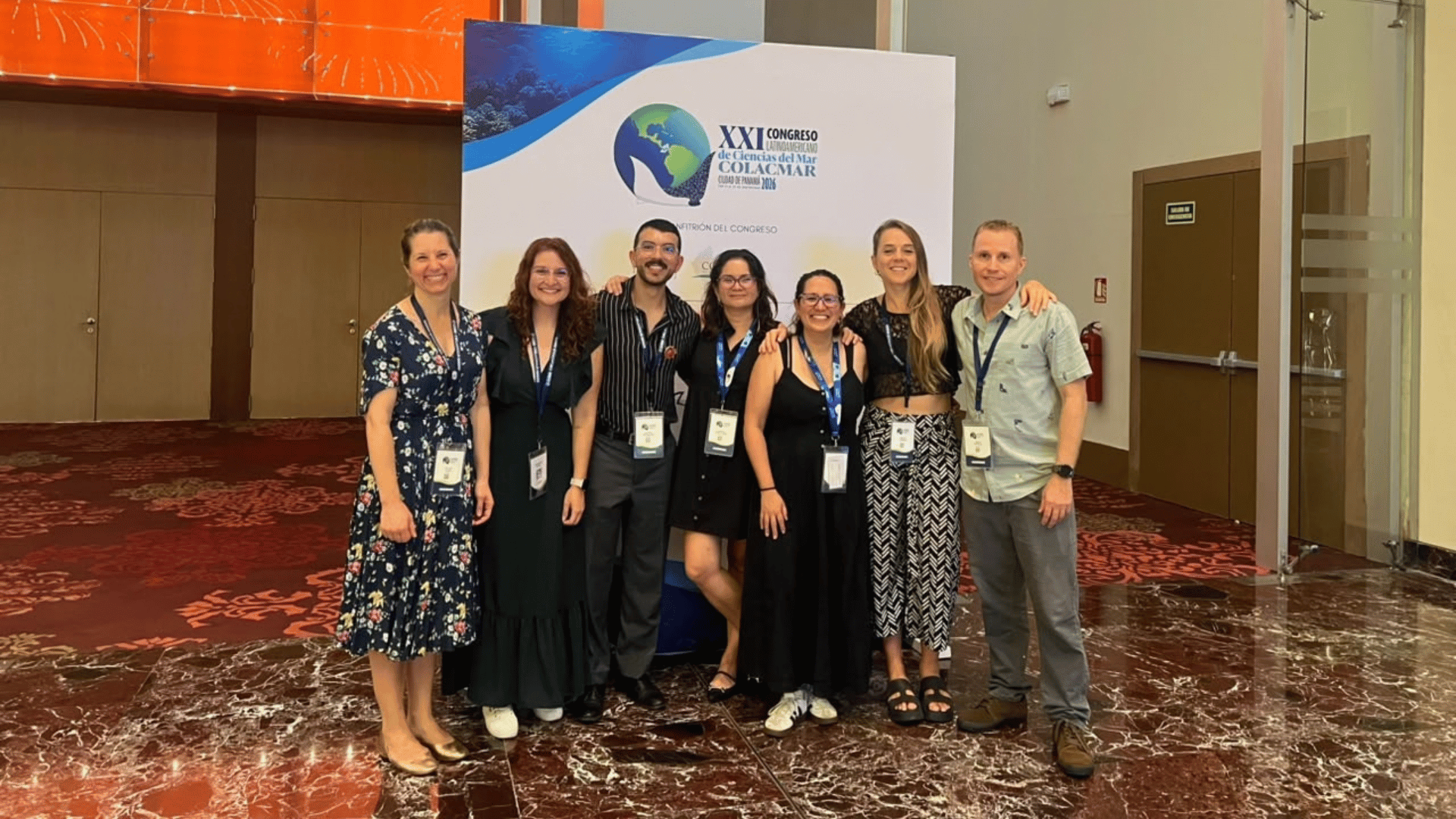
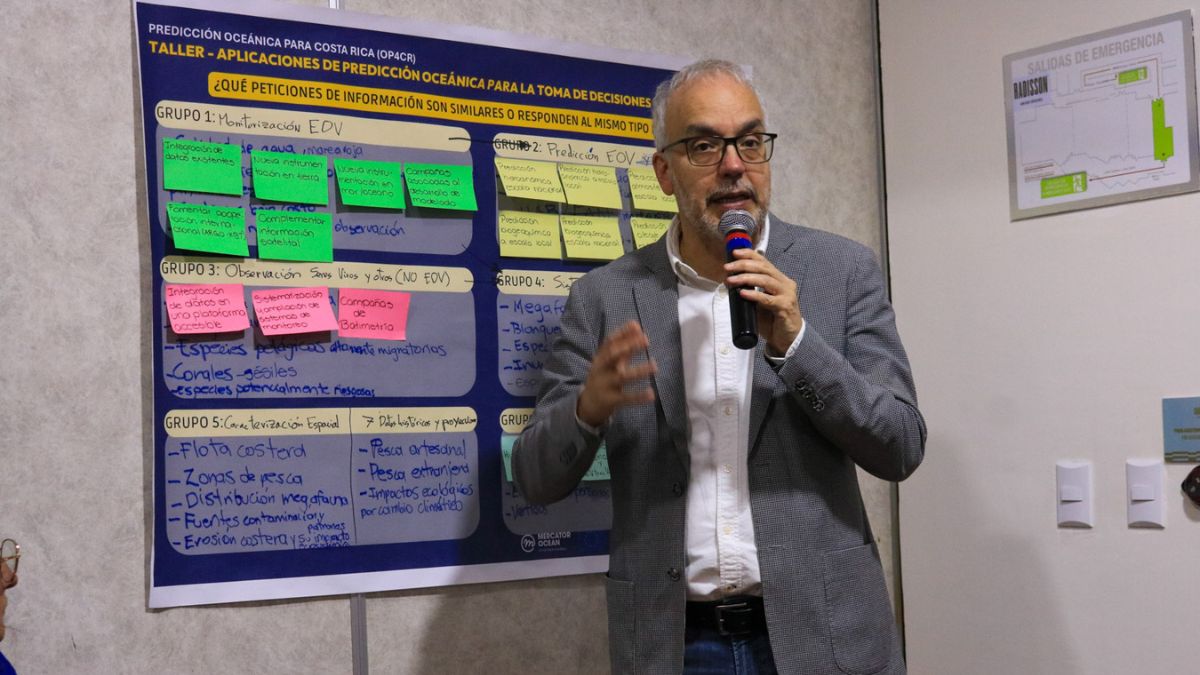
April, 2026. From March 25 to 27, Costa Rica took a key step toward strengthening science-based marine management with the first workshop of the Ocean Prediction for Costa Rica project (OP4CR), implemented by Mercator Ocean International in collaboration with Amigos Isla del Coco (Faico) and with support from the European Union. The event brought together key stakeholders, including technical experts, public and private sector representatives, and ocean-related organizations.
This first workshop marked the beginning of a series of three sessions designed under an innovative approach: working from end-user needs toward technical components. In other words, instead of starting with data and models, the process begins with the concrete applications the country requires for informed, evidence-based decision-making in areas such as conservation, fisheries, coastal management, and climate change adaptation.
Over the three days, and under a country-focused approach, the workshop concentrated on identifying how ocean prediction tools—such as the monitoring system developed for Cocos Island—can contribute to improved marine planning and resource management.
The event combined national and international presentations, technological demonstrations, and collaborative dynamics. Key objectives included identifying priority ocean prediction applications for the national context, recognizing challenges and needs across ocean-related sectors, connecting real-world problems with existing or potential technological solutions, and establishing a shared vision among institutions, companies, and the scientific community.
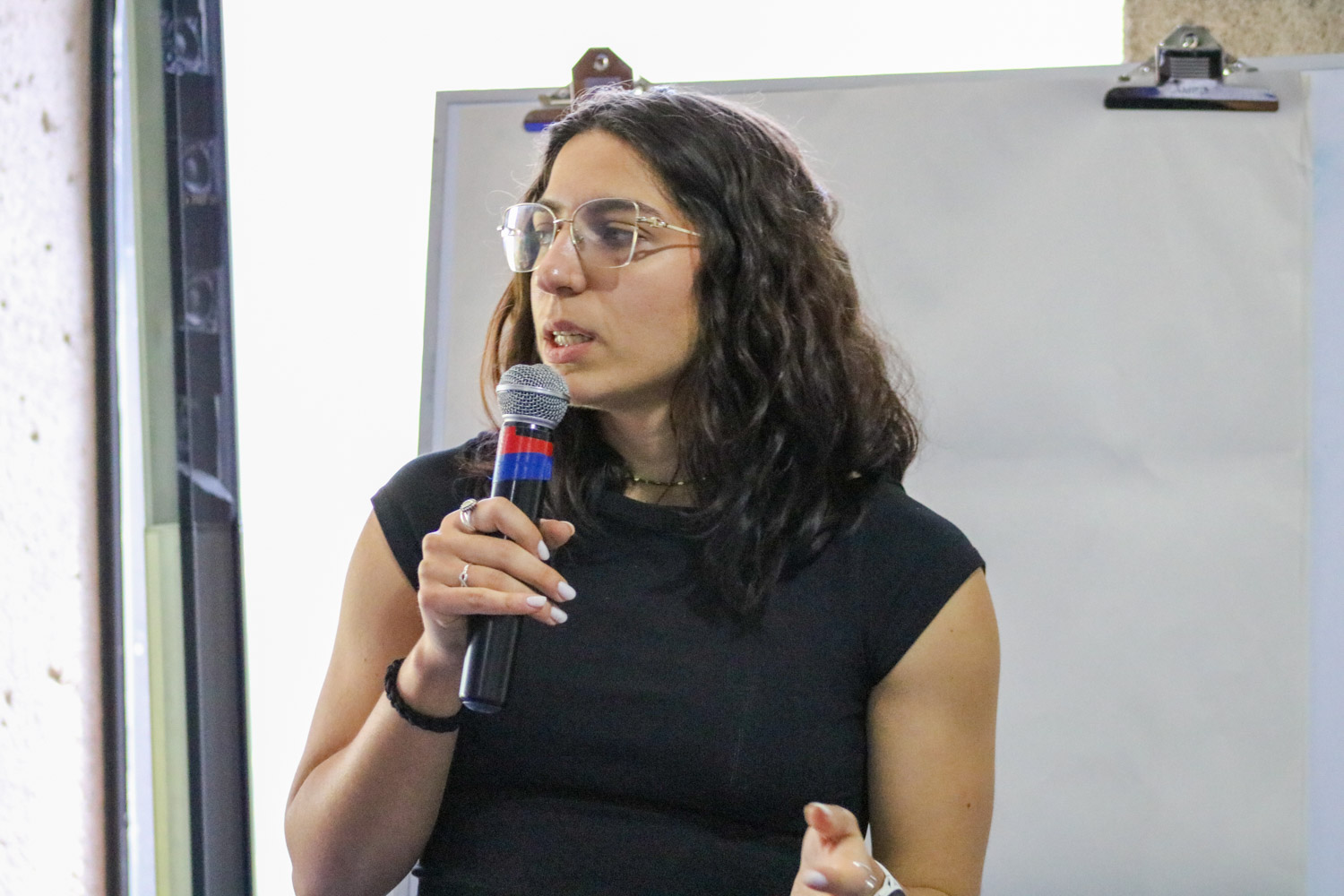
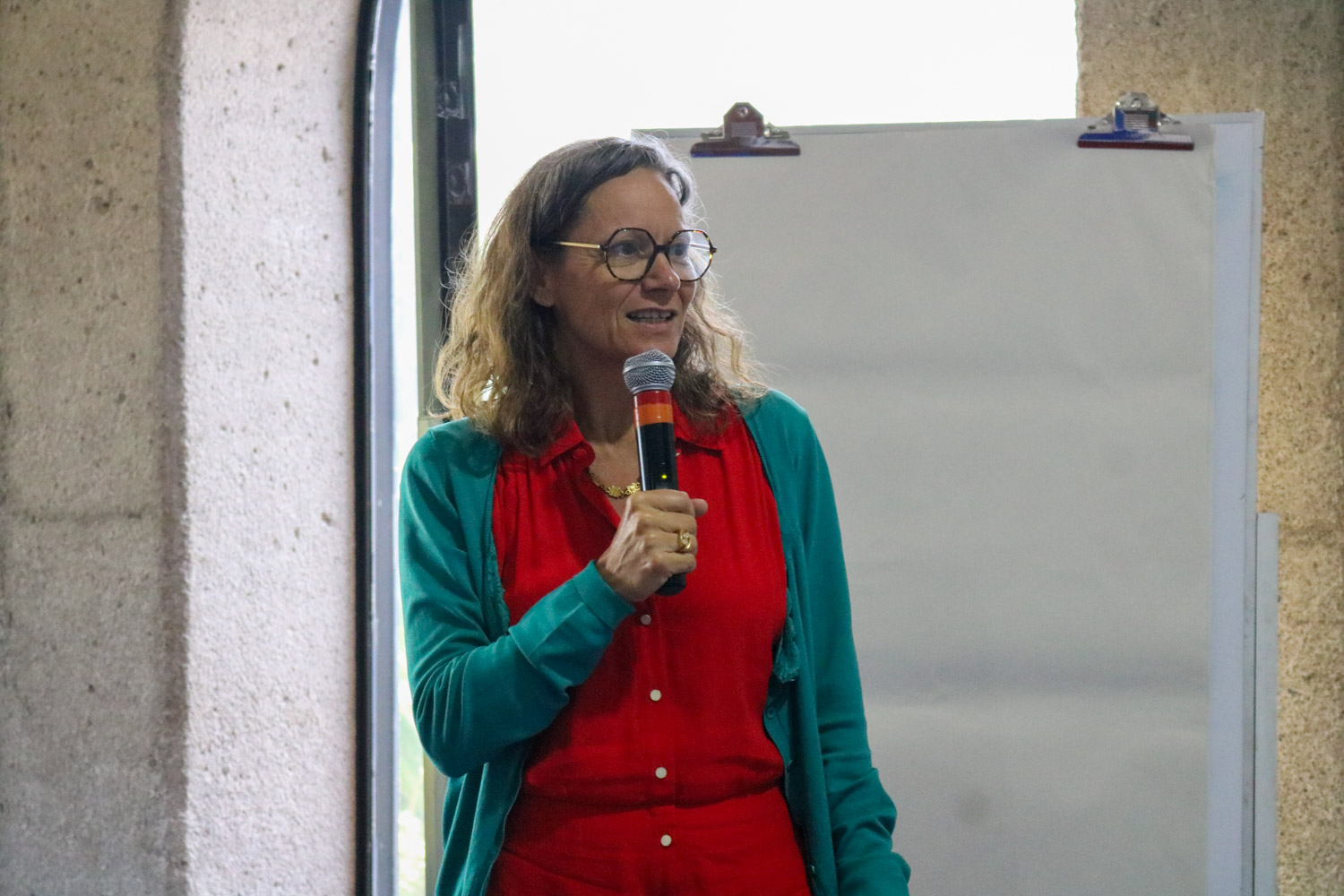
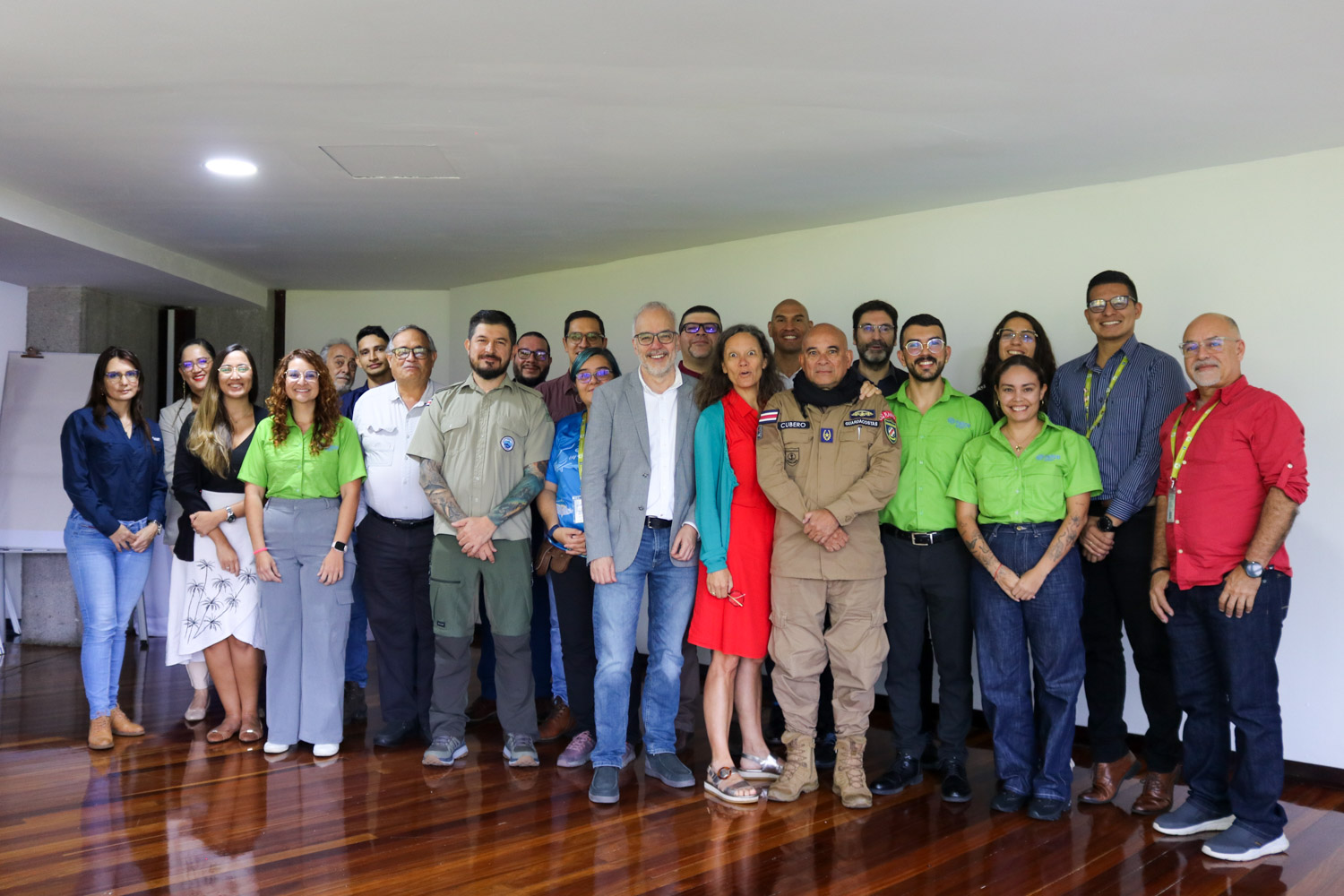
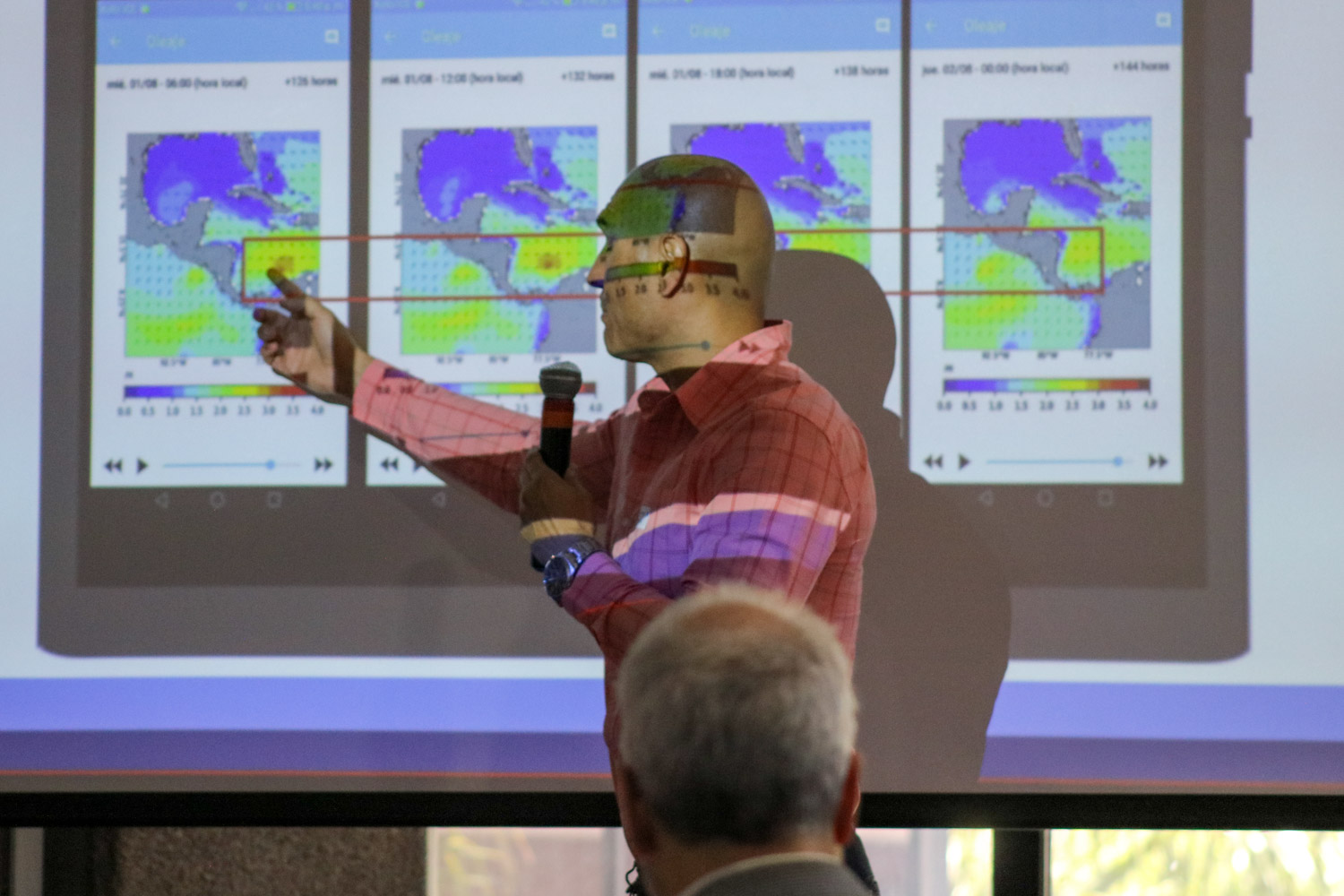
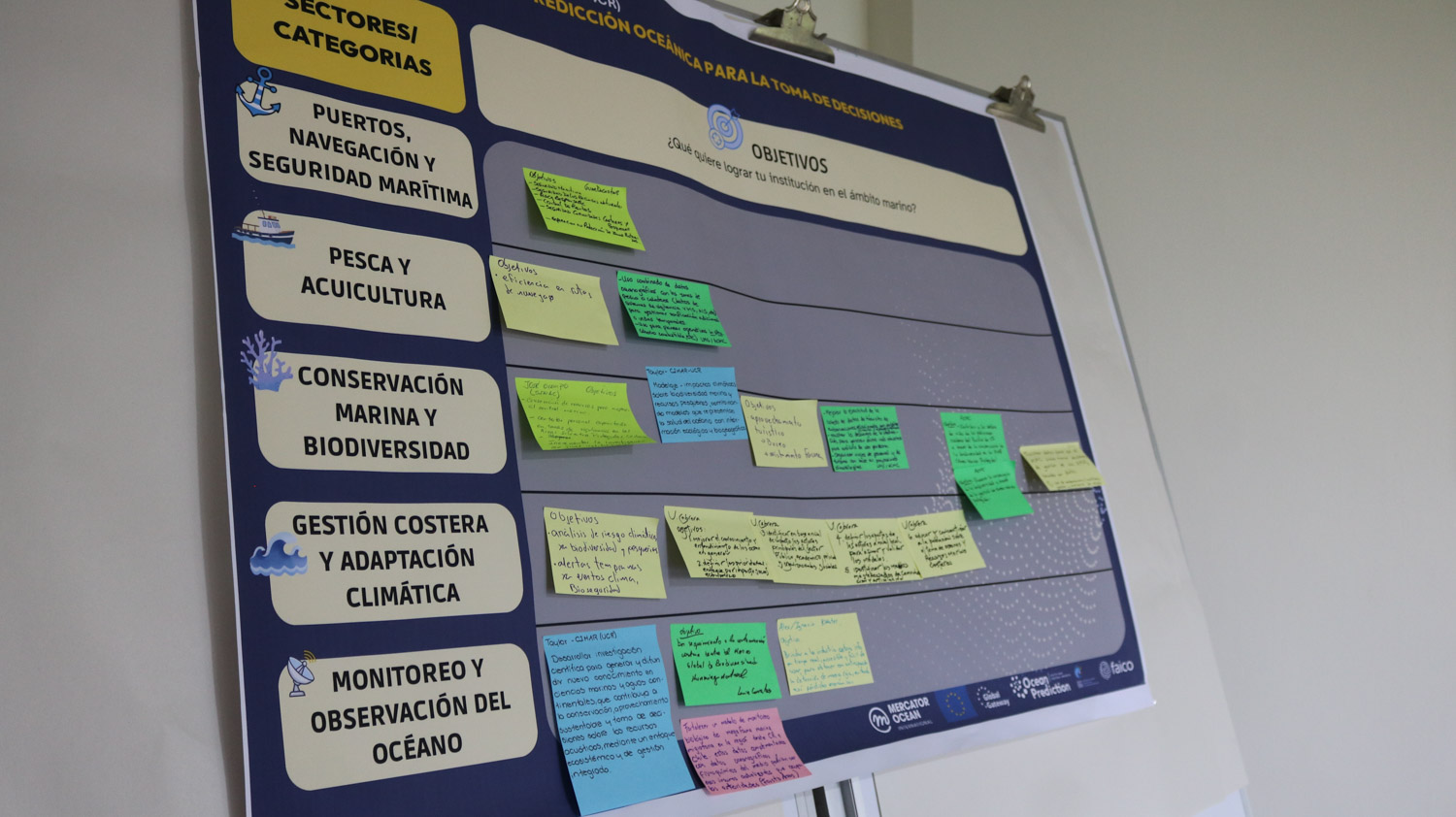
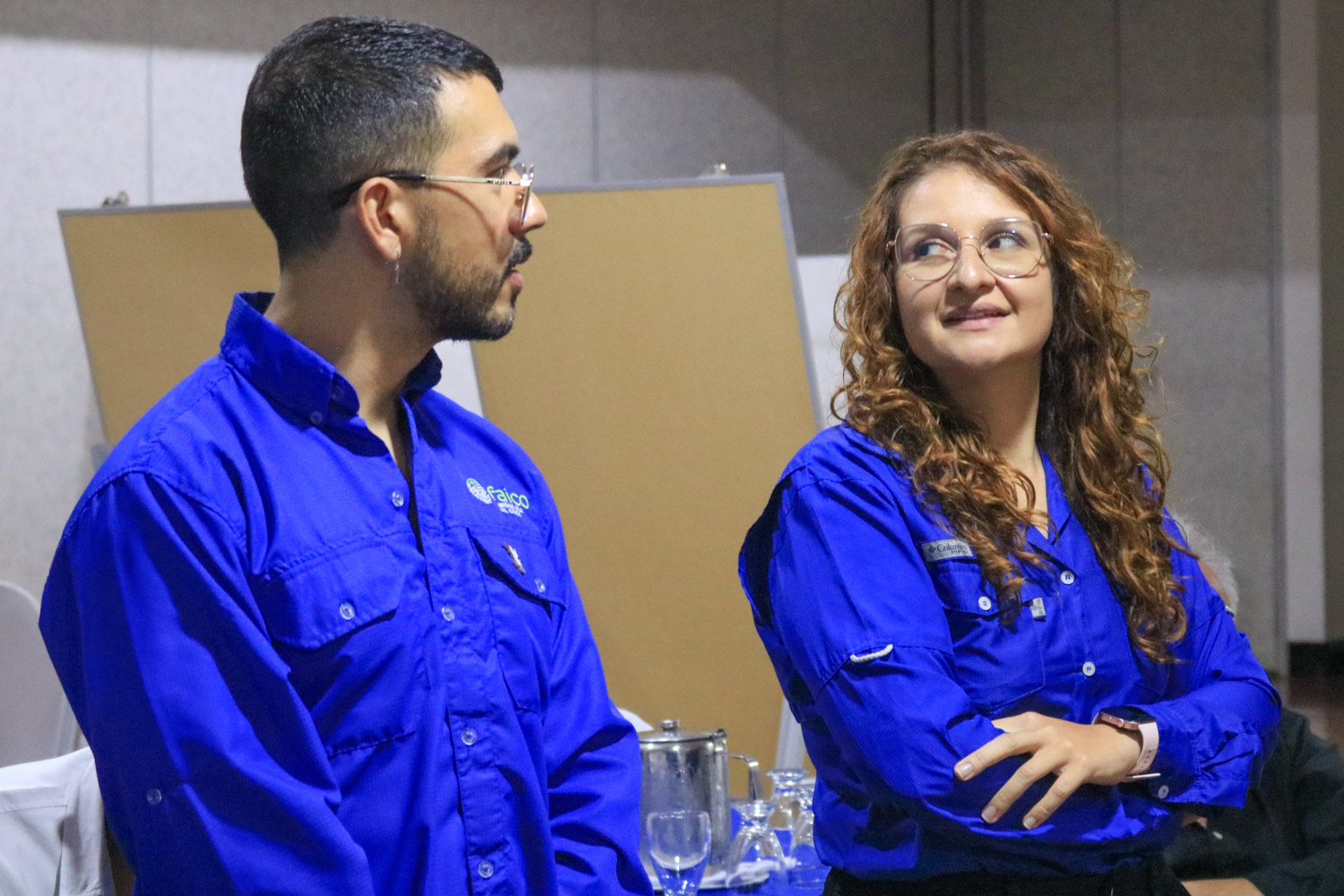
The agenda was structured around three key phases of strategic work. On day one, international use cases and existing tools were presented, along with a participatory exercise to map challenges in Costa Rica’s marine sector.
On the second day, collaborative activities were conducted to link needs with applications, identify gaps, and prioritize solutions through impact and feasibility analysis. On day three, results were validated, technical implications were discussed, and next steps for the project were defined, including inputs for the second workshop.
One of the main outcomes of the workshop was the preliminary identification of high-impact, high-feasibility strategic applications, as well as areas where adequate solutions do not yet exist. These inputs will be essential in guiding the next phases of the project. At the same time, strategic partnerships and relationships are beginning to take shape, aimed at forming a working group to support the project at the national level, with the expectation that it will be consolidated throughout its implementation.
The process implies the development of a clear roadmap outlining which ocean prediction services the country needs, what technical capacities must be developed, and what data infrastructure will be required.
With this first workshop, Costa Rica moves forward in consolidating a national agenda that integrates science, technology, and decision-making to address ocean challenges in a more informed and sustainable way.