-
Representatives from public institutions, academia, and organizations linked to marine management participated in a training process led by Faico to strengthen climate action and decision-making in the Coco Marine Conservation Area.
-
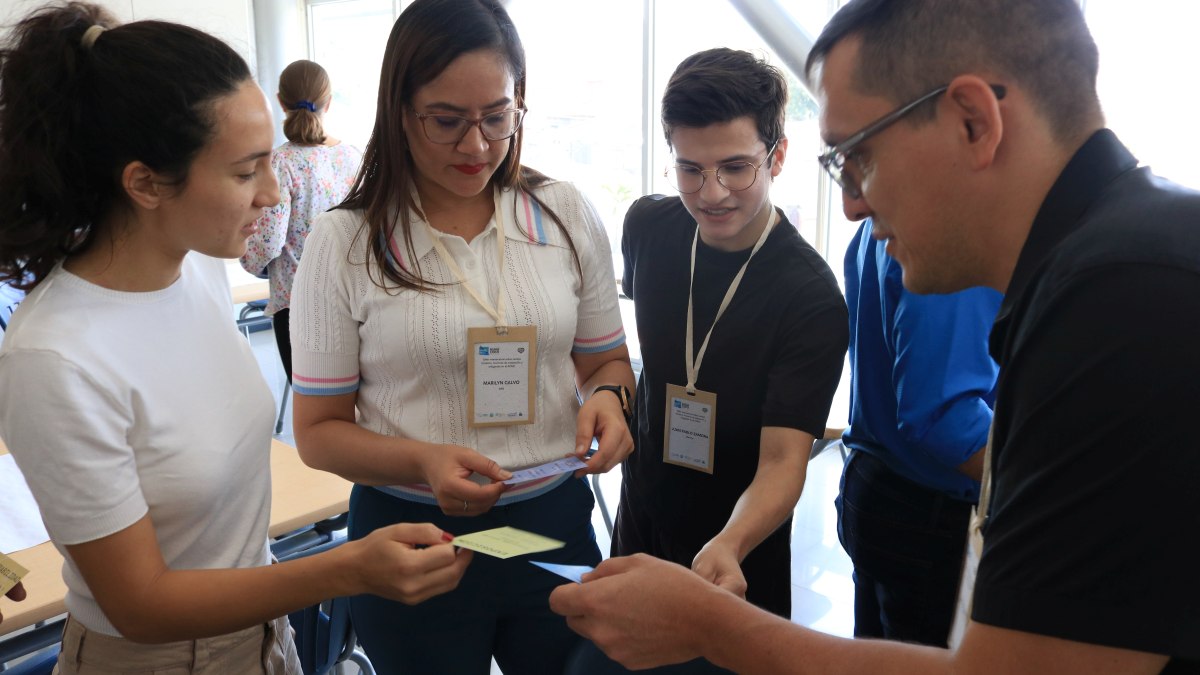
The cross-sector workshop promoted the use of scientific tools and climate adaptation strategies to strengthen the resilient management of key marine ecosystems in Costa Rica.
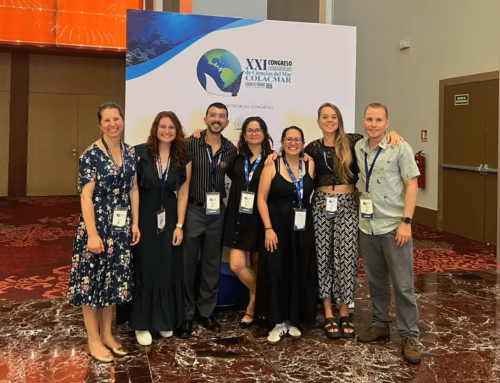
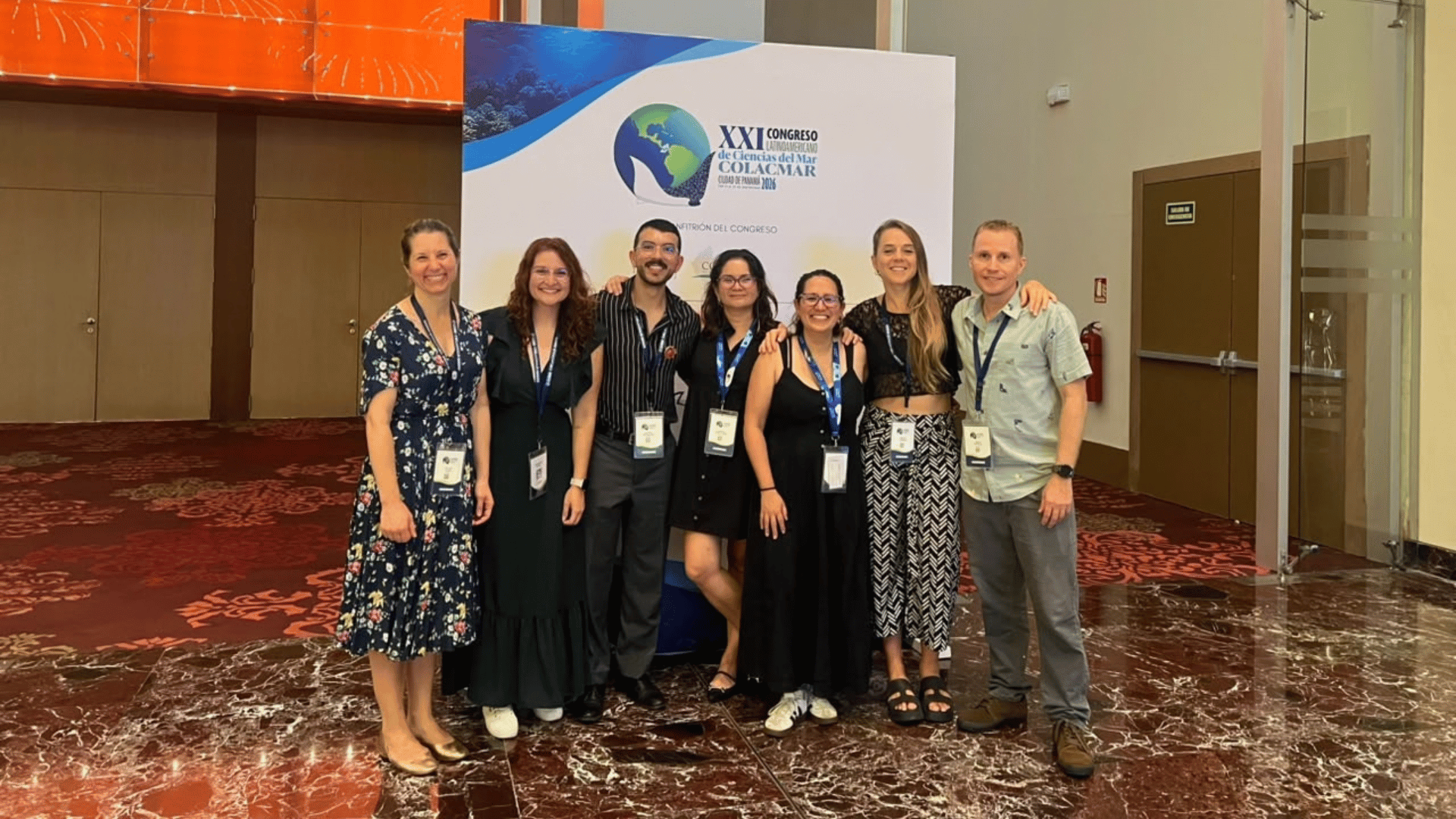
With the aim of strengthening decision-making in the face of climate change in marine ecosystems, Friends of Cocos Island (Faico), with the support of the MarViva Foundation and the University of Costa Rica’s Center for Research in Marine Sciences and Limnology (UCR-CIMAR), organized a cross-sector workshop aimed at key stakeholders linked to the Coco Marine Conservation Area (ACMC).
The in-person sessions took place on Monday, April 13 and Tuesday, April 14 in Puntarenas and San José respectively, as part of a broader training process combining virtual modules and participatory spaces. The initiative sought not only to level knowledge, but also to promote climate action from different institutional roles.
The workshop brought together representatives from public institutions, non-governmental organizations, academia, and marine management stakeholders, including the Coco Marine Conservation Area, Guanacaste Conservation Area, Central Pacific Conservation Area, the Costa Rican Fisheries and Aquaculture Institute, the National Meteorological Institute, the University of Costa Rica’s Center for Research in Marine Sciences and Limnology, Friends of Cocos Island, and MarViva Foundation. The space was designed to exchange experiences and deepen understanding of climate change impacts in the ACMC.
Throughout the workshop, participants addressed key topics such as climate projections and monitoring in the ACMC, habitat compression in marine species, changes in biomass and their implications, and the integration of climate risk into management processes.
These contents were supported by recent scientific research and planning instruments such as the Climate Change Adaptation and Mitigation and Risk Management Plan for the Coco Marine Conservation Area.
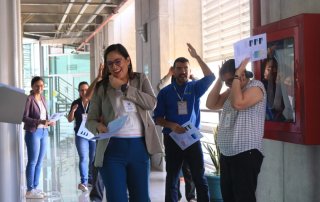
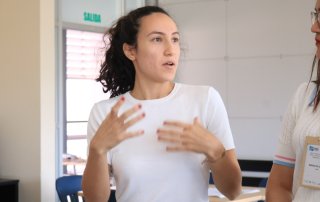
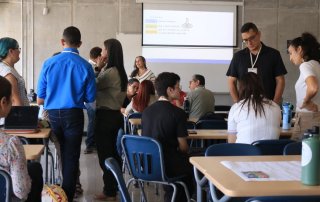
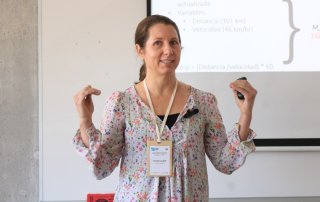
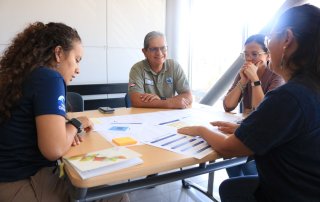
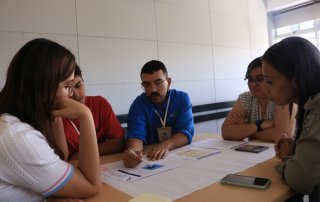
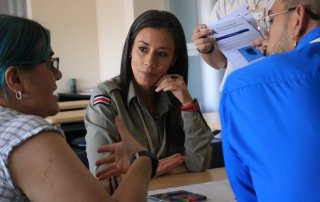
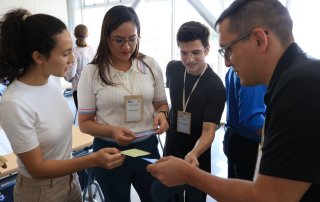
The workshop combined technical presentations with participatory dynamics that allowed attendees to understand, experience, and apply the concepts discussed. Activities were structured around two major themes: scientific understanding of the climate system, including monitoring, modeling, and impact analysis; and action and decision-making, focused on adaptive management and the implementation of concrete measures.
Through simulations and group work, participants analyzed climate scenarios and explored management responses, connecting scientific evidence with practical decisions in the territory.
One of the main focuses of the training process was to promote the transition from understanding to action. To achieve this, the training incorporated tools that strengthen stakeholders’ capacity to identify concrete opportunities for adaptation and mitigation.
The process also included virtual sessions before and after the workshop aimed at building a common language around climate change, reflecting on professional practice, and identifying opportunities for coordination among stakeholders. In this sense, the methodological approach sought to strengthen not only technical knowledge, but also the intention and capacity to act in response to climate change.
The training responds to the need to integrate scientific information into the daily management of the ACMC, a key area for marine conservation in Costa Rica. Expected outcomes include greater understanding of climate change impacts on marine ecosystems, the use of the Adaptation and Mitigation Plan as a management tool, the identification of concrete actions across sectors, and strengthened interinstitutional coordination.
This effort is part of the Marine Conservation and Sustainable Coastal Development Project, funded by the Blue Action Fund, managed by MarViva, and implemented by Faico, a broader process aimed at strengthening capacities and generating coordinated responses to climate challenges while promoting more resilient marine territory management.